Explore reputable manufacturers and contact authorized distributors to invest in top-quality ophthalmic equipment for a successful optometry clinic. Prioritize quality, durability, and after-sales support while comparing prices and reviews to ensure a satisfactory purchasing experience. Utilize industry resources to make informed decisions and enhance your clinic's efficiency with the right ophthalmology equipment.
.png)
.svg)
.svg)
Optometry clinics play a crucial role in providing comprehensive eye care to patients. These clinics are staffed with skilled optometrists who diagnose and treat various eye conditions, prescribe corrective lenses, and offer preventive care. Whether you are starting a new optometry clinic or looking to upgrade your existing practice, having the right ophthalmic equipment is essential for delivering high-quality care. In this article, we will explore the top ophthalmic equipment for sale and provide valuable insights on how to choose the right supplies for your optometry clinic.
Equipping your optometry clinic with the essential ophthalmic equipment is vital to ensure accurate diagnoses and effective treatments. The first and foremost equipment you need is a comprehensive diagnostic system, which typically includes a phoropter, a slit lamp, a tonometer, and a retinal camera. The phoropter is used to measure refractive errors and determine the appropriate prescription for corrective lenses. The slit lamp allows detailed examination of the anterior and posterior structures of the eye. A tonometer measures intraocular pressure, while a retinal camera captures high-resolution images of the retina for further analysis.
Apart from the diagnostic system, optometry clinics also require additional equipment such as autorefractors, keratometers, and visual field analyzers. Autorefractors help measure refractive errors quickly and accurately, saving valuable time for both the optometrist and the patient. Keratometers are essential for corneal topography and contact lens fitting. Visual field analyzers assess the patient's peripheral vision, which is crucial for detecting glaucoma and other visual field defects. Investing in these essential ophthalmic equipment will enhance the efficiency and accuracy of your optometry clinic.
Choosing the right ophthalmic supplies for your optometry clinic requires careful consideration of several factors. Firstly, it is essential to assess the quality and durability of the equipment. Optometry clinics handle a significant volume of patients daily, and the equipment should be able to withstand the demands of a busy practice. Look for reputable brands known for their reliability and longevity. Additionally, consider the availability of spare parts and after-sales support to ensure uninterrupted operation of the equipment.
Secondly, consider the specific needs and requirements of your optometry clinic. Different clinics may have varying patient demographics and specialization areas. For example, a clinic focusing on pediatric optometry may require specialized equipment for examining children's eyes. Evaluate your clinic's unique needs and choose ophthalmic supplies that cater to those requirements. Additionally, consider the scalability of the equipment. If you plan to expand your clinic in the future, opt for equipment that can accommodate growth and new services.
Lastly, budget is a crucial factor when choosing ophthalmic supplies. Determine your budgetary constraints and prioritize the equipment accordingly. While it may be tempting to opt for cheaper alternatives, compromising on quality can have long-term consequences. Strive to strike a balance between cost-effectiveness and quality to ensure the best value for your investment.
The market is flooded with a wide range of ophthalmic equipment, making it challenging to choose the best options for your optometry clinic. To help you make an informed decision, we have compiled a list of the top ophthalmic equipment currently available for sale.
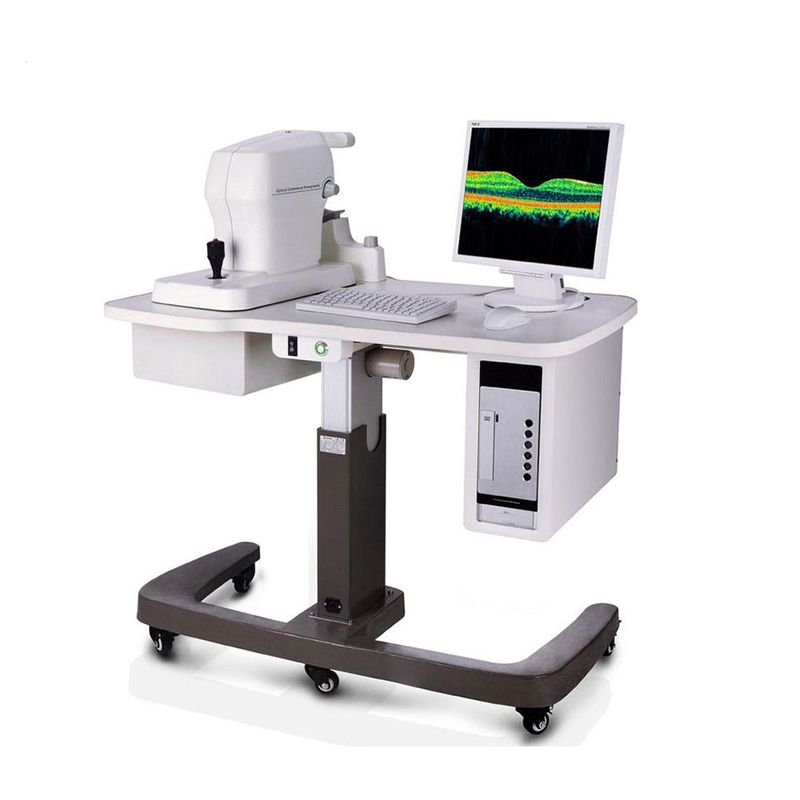
Optical Coherence Tomography (OCT) Machine: OCT machines utilize advanced imaging technology to capture cross-sectional images of the retina. They are indispensable for diagnosing and monitoring conditions such as macular degeneration and diabetic retinopathy.

Fundus Camera: Fundus cameras are used to photograph the back of the eye, including the retina, optic disc, and blood vessels. These high-resolution images provide valuable insights into the overall health of the eye, helping in the detection and management of various eye diseases.

Visual Field Analyzer: Visual field analyzers assess the patient's peripheral vision and detect abnormalities. The latest models offer advanced features such as automated testing and analysis, making them indispensable for diagnosing and managing glaucoma and neurological disorders.

Automated Refractor: Automated refractors accurately measure refractive errors and determine the appropriate prescription for corrective lenses. They are faster and more efficient than manual refractors, reducing patient examination time and enhancing overall workflow.
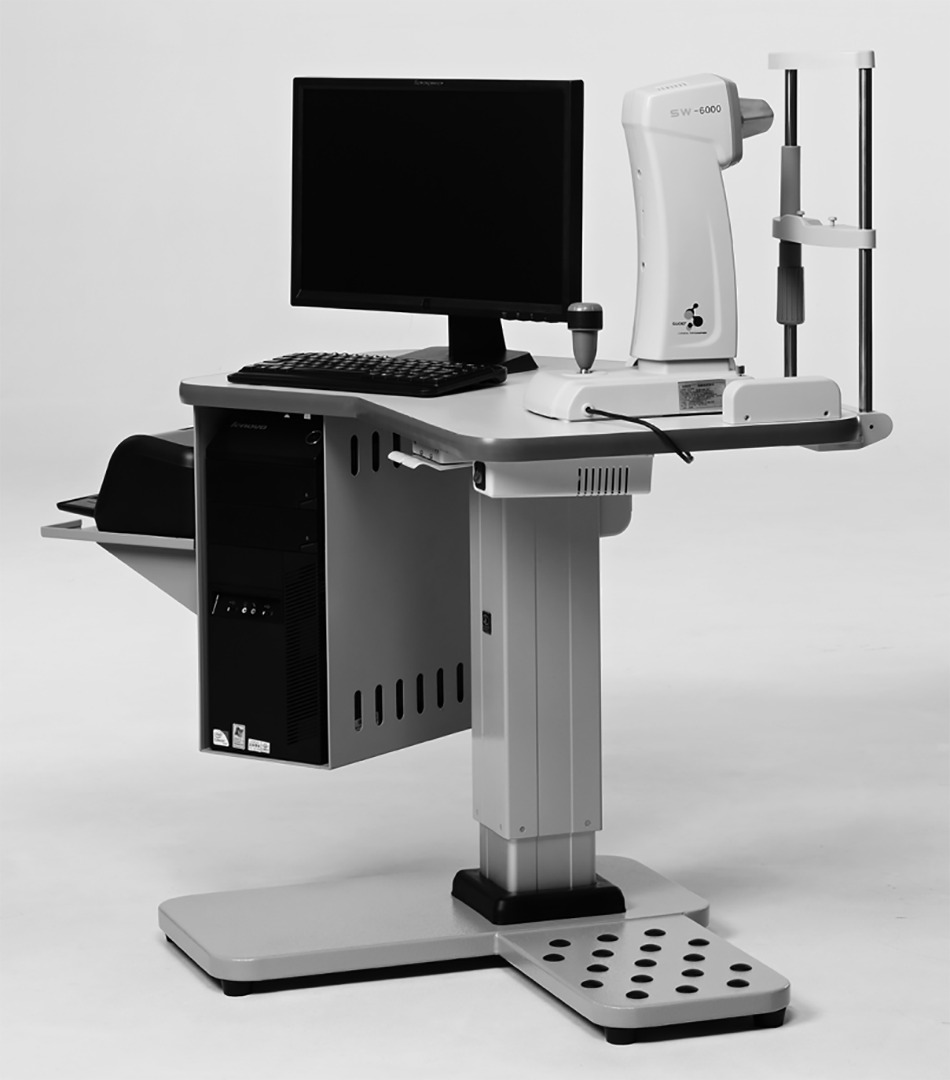
Corneal Topographer: displayed in an ophthalmology clinic, used for mapping the surface curvature of the cornea, crucial for diagnosing corneal diseases, planning refractive surgeries and ensuring optimal patient care.
These are just a few examples of the top ophthalmic equipment available in the market. Conduct thorough research, consult with experts, and consider your clinic's specific needs to make the best choices for your practice.
An optical equipment list for optometry clinics is a comprehensive inventory of all the equipment required to run a successful practice. This list includes both basic and advanced ophthalmic equipment, as well as various accessories and consumables. The optical equipment list typically includes diagnostic equipment such as phoropters, slit lamps, tonometers, and retinal cameras, as well as additional tools like autorefractors, keratometers, and visual field analyzers.
In addition to diagnostic equipment, the optical equipment list also includes equipment for contact lens fitting, such as corneal topographers and contact lens analyzers. Other essential items such as trial lens sets, trial frames, and lensometers are also part of the list. It is crucial to regularly update and maintain the optical equipment list to ensure smooth operations and optimal patient care.
When creating or updating your optical equipment list, consider your clinic's specific needs, patient demographics, and specialization areas. Collaborate with your team to identify any additional equipment or accessories that may be required. Regularly review the list to assess the condition and functionality of the existing equipment, and make necessary upgrades or replacements as needed.
Purchasing optometry equipment is a significant investment, and it is important to consider several key factors to make the right choices for your optometry clinic. Here are some key considerations to keep in mind:
By carefully considering these key factors, you can make informed decisions when purchasing optometry equipment and ensure the success of your clinic.
Specialized ophthalmology clinics require additional equipment to cater to specific patient needs and provide advanced diagnostic and treatment options. Here's an overview of some of the essential ophthalmology equipment for specialized clinics:
It is important to note that specialized ophthalmology equipment requires specialized training and expertise to operate. Ensure that your clinic has the necessary resources, including trained personnel and support, to handle the advanced equipment effectively and provide optimal patient care.
Ophthalmologists, being medical doctors specializing in eye care, require specific tools to diagnose and treat various eye conditions. Here are some must-have tools for ophthalmologists in their practice:
These are just a few examples of the must-have tools for ophthalmologists. Depending on their specialization and practice areas, ophthalmologists may require additional specialized tools and equipment.
Finding and purchasing ophthalmic equipment can be a daunting task, given the wide range of options available in the market. However, several resources can assist you in making the right choices for your optometry clinic. Here are some valuable resources:
Remember to thoroughly research and evaluate each resource before making any purchasing decisions. Compare prices, warranties, after-sales support, and customer reviews to ensure a smooth and satisfactory experience.
Investing in the right ophthalmic equipment is vital for the success of your optometry clinic. By equipping your clinic with essential diagnostic tools, considering the specific needs of your practice, and staying updated with the latest equipment trends, you can provide high-quality eye care services to your patients.
Remember to prioritize quality, durability, and after-sales support when choosing ophthalmic supplies. Regularly review and update your optical equipment list to ensure smooth operations. For specialized clinics, consider investing in advanced ophthalmology equipment and providing the necessary training and support to your team.
Utilize the available resources, such as industry trade shows, online directories, professional networks, and manufacturer websites, to find and purchase the right ophthalmic equipment for your optometry clinic.
Investing in top-quality ophthalmic equipment will enhance the efficiency and accuracy of your optometry clinic, leading to satisfied patients and a successful practice.
CTA: International optical industries sell these products
Discover the best autorefractors for your practice. Compare models like the LS-4 Slit Lamp, SW-900 Vision Screener, and more to find the right fit for your needs.
.svg)
In the rapidly evolving field of ophthalmology, advancements in technology play a crucial role in improving patient outcomes and revolutionizing eye care practices. Ophthalmic equipment companies are at the forefront of these innovations, developing state-of-the-art devices and tools that enable accurate diagnostics, effective treatments, and enhanced vision correction options. In this article, we will explore the top 10 ophthalmic equipment companies that are shaping the future of vision technology.
Optometry constantly evolves, with fresh technologies and treatments redefining its landscape. In this article, we'll delve into the latest optometry trends, spotlight the top five equipment from the last two years, highlight challenges for optometrists, and predict future advancements in eye care.


.png)

%402x.svg)